Stuart Piltch Healthcare: Connecting Innovation, Leadership, and Healthcare Strategy
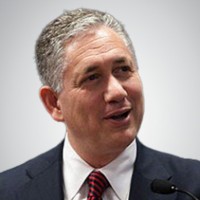
Healthcare innovation requires more than advanced technology. It also requires leadership, strategic planning, collaboration, and an understanding of complex organizational challenges. Stuart Piltch healthcare reflects an interdisciplinary approach shaped by professional experience in technology, healthcare, national security, entrepreneurship, and community-focused initiatives.
The modern healthcare environment is increasingly influenced by digital transformation. Organizations use technology to manage information, analyze trends, coordinate operations, and explore new approaches to delivering services. These developments create opportunities but also introduce new responsibilities.
Strategic leadership becomes important when organizations evaluate technological investments. Leaders must consider whether a solution addresses a genuine need, whether the available data is reliable, and whether employees have the training required to use new systems effectively.
Data analytics has become particularly significant. Healthcare organizations produce substantial amounts of information, but raw data has limited value without appropriate analysis. Analytics can help decision-makers examine patterns, compare operational information, and develop strategies based on measurable evidence.
Machine learning adds further possibilities by allowing systems to analyze complex datasets and identify relationships. These capabilities can support research, operational planning, and other areas of healthcare strategy. Nevertheless, analytical outputs require human oversight and professional interpretation.
Stuart Piltch healthcare career provides an example of interdisciplinary leadership in this environment. His experience working with intelligence leaders and healthcare organizations has involved complex decision-making and strategic challenges. His entrepreneurial activities have also focused on applying technology and analytics to practical problems.
Through Cambridge Advisory Group, his work has involved advisory and strategic perspectives, while his co-founding role with Certilytics connects his career more directly with healthcare analytics and machine learning. Together, these experiences demonstrate how technology can be considered within broader organizational and strategic frameworks.
Innovation also depends on people. Even highly advanced systems require professionals who understand their purpose and limitations. Organizations must create environments where employees can learn new technologies, ask appropriate questions, and participate in implementation.
Education is therefore an important part of sustainable innovation. Developing technical knowledge among professionals can help organizations adapt to changing technologies. Community-focused educational initiatives can also create opportunities for individuals to participate in future innovation.
Philanthropy represents another aspect of leadership. The establishment of the Mildred’s Dream Foundation reflects an interest in supporting education and communities. These activities demonstrate that innovation can extend beyond commercial technology and include initiatives designed to create broader social opportunities.
As healthcare technology continues to develop, organizations will need to balance innovation with responsible governance. Data privacy, cybersecurity, transparency, and appropriate oversight will remain important considerations.
The future of healthcare strategy may increasingly involve collaboration among clinicians, data scientists, technology leaders, executives, and researchers. Each discipline contributes different knowledge, and successful projects often depend on bringing those perspectives together.
For professionals studying healthcare innovation, the key lesson is that technology should be viewed as part of a larger system. Effective transformation depends on strategy, people, data, leadership, and responsible implementation.
The career of Stuart Piltch healthcare illustrates how experience across technology and healthcare can inform a broader approach to innovation. His professional and philanthropic work highlights the continuing importance of interdisciplinary thinking, education, analytics, and strategic leadership in a rapidly changing healthcare environment.